
Blocked Drains Clerkenwell service
A blocked drain or blocked waste pipe can quickly make a property difficult to use. Slow-draining sinks, overflowing toilets, gurgling baths and unpleasant smells are more than an inconvenience; they can point to a blockage that needs proper attention. Prime Plumbing & Heating provides blocked drain and internal drainage support across Clerkenwell, Farringdon, Barbican and EC1 for homes, flats, rental properties, offices, cafés and shops.
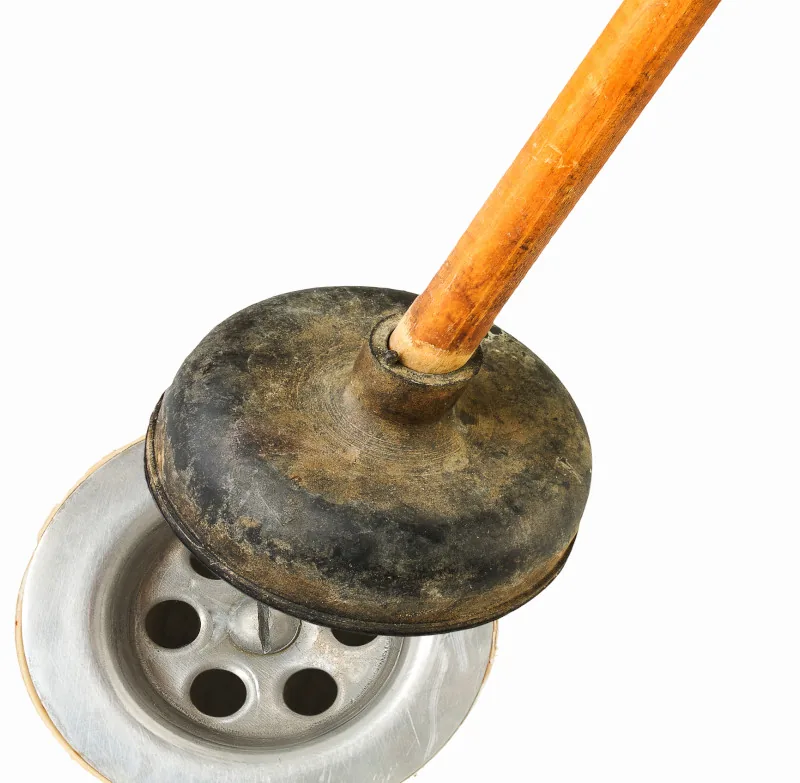
We can help with
- blocked toilets and overflowing pans
- slow-draining sinks and basins
- blocked showers, baths and wet rooms
- bad smells from waste pipes
- gurgling plugholes
- kitchen waste blockages caused by fat and food debris
- repeated blockages in flats or commercial units
- internal drainage checks before further repair work
Common causes of blocked drains
Blockages often build up gradually. In kitchens, fat, grease, food waste, coffee grounds and soap residue can collect inside pipework. In bathrooms, hair, soap, scale and product residue can restrict traps and wastes. Toilets may block because of excess paper, wipes, sanitary products, limescale or objects that should not have been flushed. In older Clerkenwell buildings, pipe runs may be long, narrow, poorly graded or altered during previous refurbishments, making blockages more likely to return.
Warning signs before a full blockage
Slow drainage is usually the first warning sign. A sink that takes longer to empty, a shower tray that fills while in use, a toilet water level that rises before dropping, bubbling noises from another fixture or a smell from the waste pipe all suggest restricted flow. Calling before the system overflows can prevent mess and water damage. This is especially important in upstairs flats, basements, commercial kitchens and shared buildings where drainage problems can affect other occupants.
What to avoid
Avoid repeatedly pouring harsh chemicals into the drain. They may not clear the blockage and can damage pipework, traps, seals or surfaces. Do not keep flushing a blocked toilet if the water level is high. Do not dismantle pipework unless you are confident it can be refitted safely. If water or waste is backing up into more than one fixture, stop using sinks, toilets, washing machines and dishwashers until the issue has been assessed. Reducing water entering the system can limit overflow.
What customers can expect
Customers can expect a practical conversation before attendance. The more detail you can give, the easier it is to prepare. Useful information includes the property type, the exact room affected, when the problem started, whether it is getting worse, whether any water or heating supply has been isolated and whether anyone else has already inspected it. For rental properties, provide tenant contact details and any access notes. For businesses, mention opening hours and whether the fault affects customers, staff or critical areas.
Local coverage around Clerkenwell
Prime Plumbing & Heating serves Clerkenwell and nearby parts of Central London including Farringdon, Barbican, Angel, Islington, Holborn, King’s Cross, Smithfield and Exmouth Market. Local knowledge matters because access, parking, property type and building layout can all affect plumbing and heating work. Many EC1 buildings combine older fabric with modern alterations, so a repair often needs careful investigation rather than a quick assumption.
How a drainage visit may work
An engineer may start by asking which fixture is affected, whether other drains are slow, whether the problem is new or recurring and whether there has been recent building work. The visit may include checking traps, wastes, visible pipework, access points, toilets, soil pipes and internal drains. Some blockages can be cleared at the fixture. Others may suggest a deeper issue such as poor fall, scale build-up, a shared stack problem or an external drain issue that needs additional investigation.
Blocked drains in Clerkenwell properties
Clerkenwell has many converted and mixed-use properties where drainage routes are not always simple. A kitchen may have been moved during refurbishment, a bathroom may have been added away from the original soil stack, or a basement may depend on pumped drainage. In commercial units, grease management and heavy use can create repeated problems. Understanding the building layout helps identify whether the blockage is local to one trap or part of a wider drainage issue.
Preventing repeat blockages
Prevention depends on the cause. Kitchens benefit from keeping fat, oil and food debris out of the sink. Bathrooms benefit from hair traps and regular cleaning of accessible wastes. Toilets should only receive toilet paper and normal waste. Commercial premises may need better routines for grease control and staff guidance. If blockages keep returning, the pipework may need inspection, repair or redesign rather than repeated clearing.
A tidy and respectful approach
Plumbing and heating work often happens in kitchens, bathrooms, hallways, offices and occupied rooms. A professional approach means protecting the area where possible, explaining any access needed, keeping disruption controlled and leaving the customer with clear next steps. Some jobs are completed in one visit. Others need parts, further testing or follow-up work. Either way, customers should understand what has been checked and what remains outstanding.
How this service connects with wider plumbing work
Many plumbing and heating problems overlap. A leak can lead to drainage checks, a heating fault can reveal a boiler issue, a blocked toilet can uncover pipework problems and a commercial repair can require planned maintenance. Having related services under one local contact helps customers move from urgent response to proper repair, maintenance or replacement without starting again each time.
When a blockage becomes urgent
A blocked drain becomes urgent when waste water is overflowing, toilets cannot be used, water is backing up into another fixture, bad smells are affecting the property, or a business cannot operate safely. In flats and commercial buildings, a drainage problem can escalate quickly because other occupants may keep using the shared system. Prompt action protects floors, walls, stock, hygiene and customer facilities.
Call Prime Plumbing & Heating
For blocked drains in Clerkenwell, call 020 3519 0071. Prime Plumbing & Heating covers Clerkenwell, Farringdon, Barbican, Angel, Islington, Holborn, King’s Cross, Smithfield, Exmouth Market and nearby EC1 streets. Explain which fixture is blocked, whether water is overflowing, whether other drains are affected and whether the problem has happened before.
Related services
Frequently asked questions
Yes, help is available for blocked toilets, sinks, baths, showers and internal drainage problems across Clerkenwell and EC1.
It is usually better to avoid repeated harsh chemicals, especially if the blockage is severe or keeps returning.
Stop using the affected facilities where possible and call for advice, as the issue may be deeper than one trap.